Why I Switched to the Mediterranean Way of Eating — And Never Looked Back
Have you ever felt like healthy eating is either too boring or too complicated? I did—until I discovered the Mediterranean diet. It’s not a strict plan but a lifestyle shift that feels natural and sustainable. After months of testing it in my daily routine, I noticed real changes: more energy, better digestion, and a calmer mind. This isn’t about quick fixes—it’s about making thoughtful choices that support long-term well-being. Let’s explore how this centuries-old way of eating can fit into modern life with ease and purpose.
The Breaking Point: When Modern Eating Lost Its Meaning
For years, I chased the latest diet trends, believing each promised breakthrough would finally bring lasting health. One month it was low-carb, the next it was juice cleanses, then protein-heavy plans that left me thirsty for something more balanced. Despite carefully reading labels and avoiding sugar, I still felt drained by mid-afternoon, my digestion was unpredictable, and my mood often mirrored my chaotic meals. I ate what I thought was clean—pre-packaged meals, protein bars, low-fat yogurts—but I wasn’t thriving. I was surviving, and barely at that.
The turning point came on a quiet Sunday morning. I sat at my kitchen table with a store-bought breakfast wrap, scrolling through another article about gut health and mental clarity. It struck me: if I was doing everything 'right,' why didn’t I feel right? That question lingered. I began to wonder whether health wasn’t about restriction or trendy superfoods, but about something deeper—something rooted in tradition, rhythm, and real food. I started asking not just what to eat, but how and why people across the world have eaten well for generations.
What I found was both surprising and simple: the healthiest populations weren’t following rigid regimens. They were living in rhythm with their environment, eating meals made from whole ingredients, grown locally and prepared with care. Among these patterns, one stood out consistently in research and real-life outcomes: the Mediterranean way of eating. It wasn’t marketed or packaged—it was passed down, shared at tables, and woven into daily life. That realization changed everything. I wasn’t looking for another diet. I was looking for a different relationship with food.
What Is the Mediterranean Diet—Really? Beyond the Hype
When most people hear 'Mediterranean diet,' they picture olive oil drizzled over salads, glasses of red wine, and plates of grilled fish by the sea. While those images aren’t wrong, they only scratch the surface. The Mediterranean diet is not a branded meal plan or a set of rules sold in a book. It’s a way of life shaped over centuries in regions like southern Italy, coastal Greece, and parts of Spain, where food is grown, harvested, and shared in harmony with the seasons.
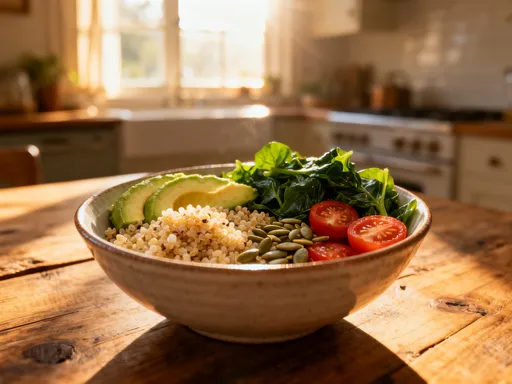
At its core, this eating pattern emphasizes whole, minimally processed foods. Meals are built around vegetables, fruits, legumes, whole grains, nuts, and seeds. Fish and seafood appear regularly, poultry and dairy in moderation, and red meat only occasionally. Herbs and spices replace heavy salt use, and meals are often enjoyed slowly, with family or friends. It’s not about perfection—it’s about balance, variety, and pleasure in eating.
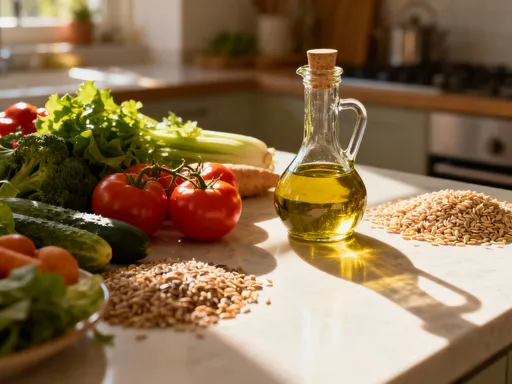
One common misconception is that the Mediterranean diet is simply about adding olive oil or drinking wine. While extra virgin olive oil is a cornerstone—rich in heart-healthy monounsaturated fats—and moderate wine consumption is part of some regional traditions, these are just elements of a broader picture. The true strength lies in the synergy of the entire pattern: the fiber from beans and whole grains, the antioxidants in colorful produce, the healthy fats from nuts and fish. It’s not a single ingredient that makes it powerful, but the way all the pieces work together over time.
Why It Works: The Science Behind the Simplicity
The reason the Mediterranean way of eating has gained so much attention in the medical community isn’t marketing—it’s evidence. Decades of observational and clinical research have shown that people who follow this pattern tend to have lower rates of heart disease, improved cognitive function as they age, and reduced markers of chronic inflammation. These benefits aren’t tied to rapid weight loss or extreme measures, but to consistent, everyday choices that support the body’s natural systems.
One of the key factors is the quality of fats consumed. Unlike diets high in saturated or trans fats, the Mediterranean approach prioritizes unsaturated fats, particularly from olive oil, nuts, and fatty fish like salmon and sardines. These fats help maintain healthy cholesterol levels and support blood vessel function, which in turn promotes cardiovascular health. The diet’s high fiber content—from vegetables, legumes, and whole grains—also plays a crucial role in regulating blood sugar and feeding beneficial gut bacteria, contributing to better digestion and long-term metabolic health.
Additionally, the abundance of plant-based foods means a steady intake of antioxidants and phytonutrients, natural compounds that help protect cells from oxidative stress. This is especially important as we age, when the body’s ability to repair itself gradually declines. Studies such as the PREDIMED trial have demonstrated that individuals following a Mediterranean-style eating pattern experienced meaningful reductions in the risk of major cardiovascular events. While no single study tells the whole story, the consistency of these findings across populations and timeframes adds weight to the diet’s credibility. It’s not a miracle cure, but a reliable, science-backed foundation for lifelong wellness.
My First 30 Days: Real Changes Without Deprivation
I didn’t overhaul my kitchen overnight. Instead, I began with small, manageable shifts that felt sustainable. The first change was simple: I committed to cooking at home five nights a week. Instead of reaching for frozen meals, I started preparing dishes with fresh vegetables, lentils, and whole grains like farro and brown rice. I stocked my pantry with canned beans, tomatoes, and tuna—affordable, shelf-stable ingredients that made weeknight meals easier. I also replaced my usual afternoon snack of crackers and cheese with a handful of almonds and an apple, a swap that surprisingly kept me full until dinner.
Within the first week, I noticed I wasn’t reaching for coffee after lunch. My energy stayed steadier throughout the day, and I no longer felt that familiar 3 p.m. slump. My digestion improved too—less bloating, more regularity. I hadn’t cut out any food group or counted calories, yet my body seemed to be responding to the quality of what I was eating. Meals felt more satisfying, not because they were larger, but because they were more nourishing.
By the third week, I began to look forward to cooking. I experimented with herbs like oregano, thyme, and rosemary, using them to flavor roasted vegetables and grilled fish instead of relying on salt or sauces. I discovered how enjoyable it was to eat seasonally—buying ripe tomatoes in summer, hearty squash in fall, and leafy greens in spring. I also started eating more slowly, savoring each bite, which made meals feel like a break rather than a chore. After a month, I didn’t feel like I was 'on a diet.' I felt like I was finally eating like a human being—connected to my food, my body, and my well-being.
How to Start—Without Overthinking It
One of the most freeing aspects of the Mediterranean way of eating is that it doesn’t require perfection. You don’t need to buy specialty ingredients or spend hours in the kitchen. The goal is progress, not precision. A practical starting point is the plate method: aim to fill half your plate with vegetables or salad, one-quarter with a whole grain or starchy vegetable like sweet potato, and one-quarter with a lean protein such as fish, chicken, tofu, or beans. This simple visual guide ensures balance without measuring or weighing food.
Another easy step is to rethink your snacks. Instead of processed chips or sugary bars, reach for whole foods like a small handful of walnuts, a piece of fruit with a few olives, or hummus with sliced cucumbers and carrots. These options provide fiber, healthy fats, and protein—nutrients that keep you full and focused. When it comes to flavor, experiment with herbs and spices. Garlic, basil, lemon zest, and cumin can transform a simple dish without adding sodium or artificial ingredients.
Drinks matter too. Replace sugary sodas and flavored coffees with water, herbal tea, or sparkling water with a splash of citrus. If you enjoy wine, a small glass with dinner can be part of the pattern—but it’s not required. The focus is on enjoyment, not obligation. Most importantly, allow yourself flexibility. If you eat out or have a busy week, do your best. The Mediterranean way isn’t about rigid rules; it’s about building a resilient, adaptable approach to eating that supports your health over time.
Living It Daily: Making It Fit Your Life, Not Fight It
Of course, real life doesn’t always follow a perfect plan. There are weeks when schedules are packed, kids have after-school activities, and dinner needs to be ready in 20 minutes. The beauty of this eating style is that it can adapt. I’ve learned to batch-cook beans and grains on Sundays, storing them in the fridge for quick additions to salads or soups during the week. Frozen vegetables are a staple in my freezer—they’re just as nutritious as fresh and eliminate the pressure to use produce before it spoils.
Shopping at local farmers’ markets when possible has also made a difference. Not only do I get fresher ingredients, but I’ve started recognizing the same vendors each week, which has added a sense of community to my routine. When budget is tight, I focus on affordable staples: lentils, canned tomatoes, oats, and seasonal fruits. These ingredients form the backbone of countless Mediterranean-inspired meals—from hearty soups to grain bowls to stuffed peppers.
I’ve also let go of the idea that every meal must be 'authentic.' My version of the Mediterranean way includes adaptations—using local fish, adjusting spices to my family’s taste, and occasionally serving dishes that blend traditions. What matters is the foundation: whole foods, mindful preparation, and shared meals. Eating together, even if it’s just with one other person, slows me down and turns dinner into a moment of connection rather than consumption. This isn’t about replicating a foreign culture perfectly—it’s about adopting principles that enhance my own.
More Than Food: A Mindset Shift Toward Health Consciousness
Over time, I’ve come to see that this way of eating is about more than physical health. It’s a gateway to a more intentional life. When I cook with care, I’m not just feeding my body—I’m practicing mindfulness. When I eat slowly, I’m tuning into my hunger and fullness cues. When I choose seasonal produce, I’m aligning with nature’s rhythm. These small acts build a deeper awareness that extends beyond the kitchen.
This awareness has spilled over into other areas. I’ve become more attentive to movement, not as exercise for the sake of burning calories, but as a way to feel strong and alive. I take walks after meals, stretch in the morning, and enjoy gardening when the weather allows. I’ve also prioritized sleep and reduced screen time before bed, recognizing that true well-being is holistic. The food I eat supports these habits, and these habits, in turn, make it easier to make nourishing food choices.
The Mediterranean way isn’t a destination—it’s a journey. It’s a commitment to showing up for yourself every day with small, consistent actions. It’s understanding that health isn’t found in extremes, but in the quiet, daily decisions: choosing an apple over a cookie, walking instead of driving when possible, sharing a meal instead of eating alone. These choices add up, not because they’re perfect, but because they’re sustainable. After years of chasing quick fixes, I’ve finally found a way of eating that feels like a gift—one I can carry with me for the rest of my life.