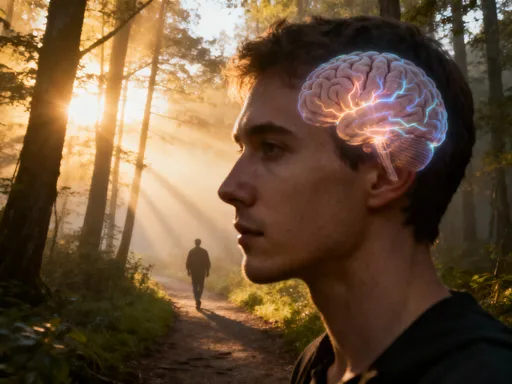
The Quiet Revolution: How Psychological Balance Rewires Aging
Aging isn’t just about wrinkles or gray hair—it’s deeply tied to how we manage stress, emotions, and mental clarity. I’ve seen firsthand how staying psychologically balanced transforms energy, focus, and resilience. This isn’t about quick fixes, but a systematic shift. When your mind finds stability, your body follows. Let me walk you through the science-backed journey that changed my approach to aging—naturally, sustainably, and from within. It's not about defying time, but about aligning with it in a way that honors both body and mind. The most powerful anti-aging tool you already possess is your own inner balance.
The Hidden Link Between Mind and Biological Age
What if aging were less about the calendar and more about the condition of your inner world? Science now confirms that psychological balance plays a pivotal role in how quickly—or slowly—we age. While time moves forward uniformly, the biological expression of aging varies dramatically from person to person. Some 60-year-olds radiate vitality; others feel worn down by 50. A growing body of research points to emotional regulation, mental resilience, and cognitive calm as key determinants of this difference. At the heart of this connection lies the concept of biological age—an indicator of how old your cells truly behave, which can differ significantly from your chronological age.
One of the most compelling discoveries in aging science involves telomeres—protective caps at the ends of chromosomes that shorten each time a cell divides. When telomeres become too short, cells can no longer replicate, leading to tissue degeneration and age-related decline. Chronic psychological stress has been shown to accelerate telomere shortening, effectively aging cells faster than time alone would. A landmark study published in the Proceedings of the National Academy of Sciences found that women experiencing prolonged emotional stress had significantly shorter telomeres—equivalent to at least one decade of additional cellular aging. This suggests that the mind’s response to life’s challenges leaves a tangible, measurable mark on our biology.
Psychological balance acts as a buffer against this process. When individuals cultivate emotional stability through practices like mindfulness, structured routines, and social support, they create internal conditions that signal safety to the body. In contrast, constant emotional reactivity—worry, rumination, irritability—keeps the nervous system in a heightened state, triggering low-grade inflammation and hormonal imbalances linked to accelerated aging. The brain interprets emotional chaos as threat, activating survival mechanisms that, over time, wear down the body’s systems. But when the mind learns to return to equilibrium, the body follows suit, reducing inflammatory markers and supporting cellular repair.
This mind-body connection is not abstract or theoretical—it is observable, measurable, and modifiable. Brain imaging studies show that people who practice emotional regulation techniques have greater activity in the prefrontal cortex, the region responsible for decision-making and impulse control, and reduced reactivity in the amygdala, the brain’s fear center. This neural shift supports clearer thinking, better sleep, and more stable moods—all of which contribute to slower biological aging. The takeaway is profound: you are not simply aging with time. You are aging in response to how you live, think, and feel. By nurturing psychological balance, you engage one of the most effective anti-aging strategies available—without a single pill or procedure.
Why Stress Ages You Faster Than Time
Stress is an unavoidable part of life. A sudden deadline, a family concern, or an unexpected expense—these moments trigger the body’s natural alarm system, releasing cortisol and adrenaline to help us respond. In short bursts, this response is protective and even beneficial. But when stress becomes chronic—when the alarm bell never stops ringing—the body pays a steep price. Unlike acute stress, which mobilizes energy and sharpens focus temporarily, chronic stress keeps the body in a continuous state of physiological arousal, disrupting nearly every system from immunity to metabolism.
The impact on aging is both visible and invisible. On the surface, prolonged stress shows up as dull skin, thinning hair, persistent fatigue, and difficulty concentrating—symptoms often mistaken for normal aging. But beneath the surface, the damage runs deeper. Elevated cortisol levels over time impair glucose regulation, increase abdominal fat storage, suppress immune function, and interfere with tissue repair. These changes mimic and accelerate the biological processes associated with aging. For example, chronic cortisol exposure reduces collagen production, leading to loss of skin elasticity and the early appearance of wrinkles. It also disrupts sleep architecture, reducing the restorative deep sleep phases when cellular repair occurs.
Perhaps most significantly, chronic stress contributes to systemic inflammation—a silent driver of age-related conditions such as cardiovascular disease, cognitive decline, and joint deterioration. Inflammation is the body’s natural response to injury or infection, but when it becomes chronic due to ongoing psychological strain, it begins to attack healthy tissues. Research from the American Psychological Association indicates that individuals with high perceived stress levels have elevated markers of inflammation, including C-reactive protein (CRP), which is linked to increased risk of heart disease and diabetes. This means that the way you process stress isn’t just affecting your mood—it’s influencing your long-term health trajectory.
The goal, then, is not to eliminate stress entirely—an impossible and unnecessary task—but to improve your body’s ability to recover from it. Resilience isn’t about avoiding challenges; it’s about restoring balance afterward. Just as physical fitness depends on recovery between workouts, psychological fitness depends on moments of calm between stressors. Building this recovery capacity involves both internal practices—like breath regulation and cognitive reframing—and external habits such as regular sleep, nutritious eating, and social connection. When recovery becomes routine, the body spends less time in survival mode and more time in repair and renewal. This shift doesn’t just make you feel better—it changes how you age, slowing biological decline and preserving vitality well into later years.
The Systematic Path to Emotional Stability
Emotional stability doesn’t happen by accident. It is not the result of a single meditation session or a weekend retreat, but of consistent, intentional habits woven into daily life. Just as a well-maintained home requires regular upkeep—cleaning gutters, checking smoke detectors, replacing filters—psychological health thrives on routine maintenance. The most effective anti-aging strategies are not dramatic interventions, but small, repeatable actions that, over time, create profound shifts in mental and physical well-being.
A systematic approach begins with structure. The human brain functions best with predictability. Regular wake-up times, consistent meal schedules, and defined work-life boundaries help regulate circadian rhythms, which in turn stabilize mood and energy levels. Disruptions to routine—such as irregular sleep, constant digital stimulation, or chaotic scheduling—create internal instability that manifests as irritability, fatigue, and difficulty focusing. By contrast, a structured day signals safety to the nervous system, reducing the background hum of low-grade anxiety that many mistake for normalcy.
Equally important is the practice of intentional downtime. In a culture that often equates busyness with value, carving out unstructured time can feel indulgent or even irresponsible. Yet, rest is not passive—it is an active form of restoration. Whether it’s sitting quietly with a cup of tea, walking without a destination, or engaging in a creative hobby, downtime allows the brain to process emotions, consolidate memories, and reset stress levels. Neurological studies show that periods of mental rest activate the default mode network, a brain system associated with self-reflection, emotional integration, and long-term planning—all of which support psychological balance.
Another pillar of emotional stability is self-awareness. This involves tracking mood patterns, identifying triggers, and recognizing early signs of imbalance. Keeping a simple journal, using a mood-tracking app, or reflecting at the end of each day can reveal patterns—such as increased anxiety on workdays or low energy after screen-heavy evenings. With this insight, small adjustments become possible: limiting email after 7 p.m., scheduling walks during lunch, or setting boundaries around news consumption. These changes are not about perfection, but about responsiveness—learning to adjust your behavior in real time to maintain equilibrium. Over time, this feedback loop strengthens emotional resilience, making it easier to navigate life’s inevitable ups and downs without tipping into chronic stress.
Mindfulness: The Anti-Aging Anchor
Mindfulness has moved from spiritual tradition to scientific staple, and for good reason. It is one of the few practices with robust evidence linking it directly to slower biological aging. At its core, mindfulness is the practice of paying attention to the present moment without judgment. It is not about emptying the mind or achieving bliss, but about becoming aware of thoughts, emotions, and bodily sensations as they arise—observing them rather than reacting automatically.
Neuroimaging studies have shown that regular mindfulness practice increases gray matter density in the prefrontal cortex, the brain region responsible for executive function, emotional regulation, and decision-making. At the same time, it reduces activity in the amygdala, the area associated with fear and stress responses. This neural remodeling supports greater mental clarity, reduced reactivity, and improved emotional control—qualities that directly counteract the cognitive and emotional decline often associated with aging. A study from Harvard Medical School found that just eight weeks of mindfulness-based stress reduction (MBSR) led to measurable changes in brain structure, with participants reporting improved focus, better sleep, and lower anxiety levels.
On a physiological level, mindfulness reduces markers of inflammation and lowers cortisol levels. It also improves heart rate variability (HRV), a key indicator of nervous system resilience. Higher HRV is associated with better stress recovery, emotional flexibility, and longevity. These benefits are not limited to formal meditation. Even brief daily practices—such as three minutes of focused breathing, a body scan before bed, or mindful walking—can reset the nervous system and interrupt the stress cycle. The key is consistency, not duration. A two-minute breathing exercise done daily is more effective than an hour-long session done once a month.
Mindfulness also changes the relationship between thought and reaction. Most people operate on autopilot, reacting to stressors with ingrained patterns—worry, anger, withdrawal. Mindfulness creates a pause between stimulus and response, allowing space to choose a different reaction. This pause is where transformation happens. Instead of being hijacked by emotion, you learn to observe it, name it, and let it pass. Over time, this reduces emotional turbulence, conserves mental energy, and supports a calmer, more centered state of being—one that reflects in both mind and body.
Movement That Nourishes the Mind-Body Connection
Exercise is often framed in terms of weight management or muscle building, but its role in psychological balance is equally vital. Physical activity is a powerful regulator of mood, sleep, and cognitive function. However, not all movement is created equal when it comes to supporting emotional well-being. High-intensity workouts, while beneficial in moderation, can add physiological stress if overdone—especially for those already under psychological strain. The most effective forms of movement for aging gracefully are those that synchronize breath, rhythm, and awareness.
Low-impact, rhythmic activities such as walking, swimming, tai chi, and gentle yoga have been shown to activate the parasympathetic nervous system—the body’s “rest and digest” mode. Unlike the jarring spikes of adrenaline from intense training, these practices promote a steady release of endorphins, serotonin, and dopamine—neurochemicals associated with calm, pleasure, and motivation. A daily 30-minute walk in nature, for instance, has been linked to reduced rumination, lower anxiety, and improved executive function. The combination of gentle exertion, fresh air, and natural scenery creates a restorative effect that extends far beyond physical fitness.
Tai chi, often described as “meditation in motion,” exemplifies the integration of mind and body. Its slow, deliberate movements require focus and coordination, drawing attention away from mental chatter and into the physical present. Studies have shown that regular tai chi practice improves balance, reduces falls in older adults, enhances sleep quality, and decreases symptoms of depression and anxiety. Similarly, swimming offers a unique sensory experience—weightlessness, rhythmic breathing, and fluid motion—that calms the nervous system while building endurance and strength.
The goal of mindful movement is not to push limits, but to feel good. It’s about listening to the body’s signals and honoring its needs. Some days, that means a brisk walk; other days, it might be stretching on the floor or simply standing barefoot on grass. When movement is approached with curiosity and kindness rather than performance or punishment, it becomes a form of self-care rather than another item on the to-do list. This shift in mindset transforms physical activity into a sustainable, joyful practice—one that supports both mental clarity and physical vitality as you age.
Sleep as the Ultimate Reset Button
If there were a single, most powerful anti-aging intervention, it would be sleep. During deep, uninterrupted rest, the brain performs essential maintenance: clearing metabolic waste through the glymphatic system, repairing DNA, rebalancing hormones, and consolidating memories. Sleep is not downtime—it is active restoration. Yet, millions of adults, particularly women over 40, struggle with sleep quality, often accepting fatigue as an inevitable part of aging. In reality, poor sleep is not a normal consequence of getting older; it is a sign of imbalance that accelerates aging.
Disrupted sleep increases cortisol, impairs insulin sensitivity, and weakens immune defenses. It also reduces production of growth hormone, which is vital for tissue repair and muscle maintenance. Over time, chronic sleep deprivation contributes to weight gain, cognitive decline, and mood disorders. Research from the National Sleep Foundation shows that adults who consistently sleep less than six hours per night have higher levels of inflammatory markers and are at greater risk for cardiovascular disease and type 2 diabetes—conditions often associated with premature aging.
Improving sleep quality begins with consistency. Going to bed and waking up at the same time every day—even on weekends—helps regulate the body’s internal clock, making it easier to fall asleep and wake up naturally. Equally important is the pre-sleep routine. Reducing exposure to blue light from screens at least one hour before bed supports melatonin production, the hormone that signals sleep. Replacing screen time with calming activities—reading a physical book, gentle stretching, listening to soft music—signals to the brain that it’s time to wind down.
The sleep environment also matters. A cool, dark, quiet room promotes deeper rest. Consider using blackout curtains, a white noise machine, or an eye mask if needed. Avoiding caffeine after noon, limiting alcohol, and avoiding heavy meals in the evening can further support restful sleep. For those experiencing menopause-related sleep disturbances, consulting a healthcare provider for safe, evidence-based strategies is important. The goal is not perfection, but progress—small, sustainable changes that add up to better rest over time. When sleep improves, everything else follows: mood stabilizes, focus sharpens, and the body regains its natural rhythm of repair and renewal.
Building a Sustainable Anti-Aging Lifestyle
True transformation does not come from isolated fixes, but from integrated systems. The most lasting changes occur when mindset, habits, and environment align around a common purpose: supporting psychological balance as the foundation of healthy aging. This is not about rigid discipline or extreme measures, but about making choices that reflect long-term well-being. It’s about replacing depletion with nourishment, reactivity with awareness, and haste with presence.
Sustainability begins with self-compassion. Many women, especially those in caregiving roles, hold themselves to impossibly high standards. The idea of “doing it all” leads to burnout, not balance. A sustainable approach recognizes that rest is not laziness, that saying no is an act of self-respect, and that small steps matter more than grand gestures. Progress is measured not by perfection, but by consistency—by showing up for yourself, day after day, with kindness and intention.
It also involves designing an environment that supports your goals. This might mean creating a quiet corner for morning reflection, keeping a journal by the bed, or scheduling regular digital detox periods. Surrounding yourself with supportive relationships—friends who listen, family who respect boundaries, communities that uplift—further reinforces emotional stability. When your outer world reflects your inner values, maintaining balance becomes easier.
The result of this holistic approach is not just looking younger, but feeling more alive. It’s waking up with energy, navigating challenges with resilience, and experiencing joy in ordinary moments. Psychological balance rewires aging from the inside out, turning the later chapters of life into a time of depth, clarity, and vitality. This quiet revolution is not loud or flashy—it unfolds in the stillness between breaths, in the choice to pause, to listen, to care. And in that stillness, you find the most powerful force of all: the ability to age not with fear, but with grace.