Why Growing Older Doesn’t Mean Feeling Old — A Mindset Shift That Changes Everything
Aging is inevitable, but how we experience it isn’t. I used to dread turning another year older—until I realized the real issue wasn’t my body, but my mind. The fear of aging often stems from how we think, not how we look. When I shifted my mindset, everything changed. This is about psychological resilience, not skincare routines or supplements. It’s the inner work most anti-aging guides ignore—but it’s the one thing that made a real difference for me. The way we perceive aging shapes our health, energy, and emotional well-being more than any pill or procedure ever could. What if feeling young has less to do with years and more to do with attitude?
The Hidden Trigger of Premature Aging: Stress and Perception
Many assume aging is a purely biological process, dictated by genetics and time. However, decades of research reveal that psychological stress and negative beliefs about aging play a surprisingly powerful role in how quickly we decline. Chronic stress, in particular, acts as a silent accelerator of physical aging. When the body remains in a prolonged state of alert, it floods the system with cortisol, a hormone essential in short bursts but damaging when constantly elevated. High cortisol levels are linked to increased inflammation, weakened immune function, and even cellular deterioration—processes that mirror the physical signs of aging.
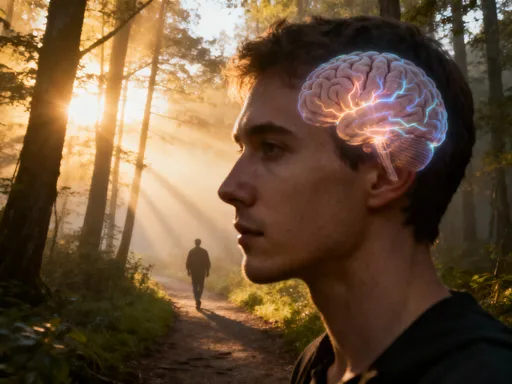
But beyond the biology, it’s our perception of aging that often determines our experience of it. A landmark study from the Yale School of Public Health found that individuals with more positive attitudes toward aging lived, on average, 7.5 years longer than those with negative views. This wasn’t due to better diets or exercise habits alone—it was the mindset. Those who saw aging as a natural, meaningful phase of life, rather than a decline into irrelevance, demonstrated stronger cardiovascular health, sharper cognitive function, and greater resilience in the face of illness. Their brains even showed slower rates of atrophy over time.
The mind-body connection is not abstract—it’s measurable. Telomeres, the protective caps at the ends of our chromosomes, naturally shorten as we age. But research shows that people under chronic stress or holding pessimistic beliefs about getting older experience faster telomere shortening, a marker linked to premature cellular aging. This means that how we think about aging may literally affect how our cells age. When we internalize cultural messages that equate old age with loss, frailty, or invisibility, we activate stress pathways that make those outcomes more likely. The good news? These patterns are not fixed. By changing our inner narrative, we can influence our physical trajectory in meaningful ways.
Breaking the “Anti-Aging” Illusion: Redefining the Goal
The term “anti-aging” is everywhere—from creams and supplements to medical clinics and social media influencers. Yet, the very language suggests a battle, a war against time. And like any war, this mindset creates tension. The more we resist aging, the more we suffer from it. The goal shouldn’t be to stop aging, but to age well. This subtle shift—from resistance to alignment—changes everything. Fighting the natural progression of life only increases anxiety, distorts self-image, and distracts from what truly matters: living with vitality, purpose, and emotional balance at every stage.
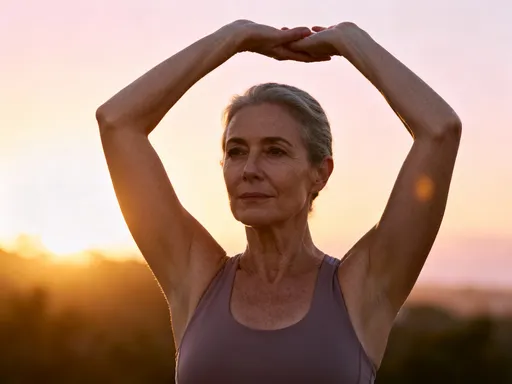
Consider the lives of women in their 60s, 70s, and beyond who radiate energy, curiosity, and joy. They aren’t necessarily the ones spending the most on treatments or denying their age. More often, they are the ones who’ve made peace with it. They accept the gray hair, the slower recovery, the shifting priorities—not with resignation, but with grace. And in that acceptance, they find freedom. They no longer waste energy trying to look 40; instead, they invest in feeling strong, connected, and engaged. This internal shift allows them to move through life with less fear and more presence.
True aging well is not about erasing signs of time, but about cultivating inner resources that support resilience. It’s about nurturing relationships, staying mentally active, moving the body with care, and continuing to grow. When we stop seeing aging as an enemy, we open the door to a richer, more authentic experience of life. The goal isn’t to look younger—it’s to live fully. And that kind of vitality isn’t found in a jar. It’s built through mindset, choices, and daily habits that honor where we are, not where we were.
The Power of Psychological Adjustment: What It Really Means
Psychological adjustment is the quiet force behind graceful aging. It refers to the ability to adapt emotionally and cognitively to life’s changes—especially those that come with time. As we grow older, our bodies change, our roles shift, and our social circles evolve. Psychological adjustment is what allows us to meet these transitions with flexibility rather than fear. It’s not about ignoring loss or pretending everything is fine. It’s about acknowledging change while maintaining a sense of stability, meaning, and self-worth.
Studies in gerontology show that individuals who adapt well psychologically report higher life satisfaction, better emotional regulation, and stronger physical health. They are less likely to experience depression or anxiety in later years, not because they avoid hardship, but because they process it differently. They don’t cling to outdated identities or resist new realities. Instead, they recalibrate. They learn to find joy in different forms—a quiet morning with tea, a deep conversation, a walk in the garden—rather than only in past versions of excitement or achievement.
This kind of adjustment is not a passive trait; it’s a skill. And like any skill, it can be developed. It begins with awareness—recognizing when we’re resisting change or holding onto limiting beliefs. It grows through practice—choosing compassion over criticism, curiosity over fear, and presence over nostalgia. Women who cultivate psychological adjustment don’t deny aging; they navigate it with intention. They understand that self-worth isn’t tied to appearance or productivity, but to how they treat themselves and others. In doing so, they build an inner foundation that supports well-being far more effectively than any external fix ever could.
Cognitive Reframing: Rewriting Your Inner Script About Aging
Our thoughts shape our reality, especially when it comes to aging. Many of us carry an inner script filled with phrases like “I’m too old for that,” “It’s all downhill from here,” or “I don’t have the energy I used to.” These aren’t just passing comments—they’re beliefs that influence behavior, mood, and even physiology. Cognitive reframing is the process of identifying these automatic negative thoughts and replacing them with more balanced, empowering ones. It’s not about forced positivity, but about accuracy and agency.
Take the statement “I’m too old to start something new.” This thought may feel true, but it’s rarely factual. Countless women begin new careers, learn new skills, or take up creative pursuits in their 50s, 60s, and beyond. The brain remains capable of learning and adapting throughout life—a concept known as neuroplasticity. By reframing the thought to “I can learn at any age,” we open the door to possibility. The shift may seem small, but over time, it changes how we show up in the world. We become more willing to try, to explore, to engage.
Another common belief is “My body is failing me.” While some physical changes are normal, this sweeping statement amplifies fear and overlooks resilience. A more accurate reframe might be “My body is changing, and I can support it with care.” This version acknowledges reality without surrendering to despair. It invites action—gentler movement, better nutrition, regular check-ups—rather than resignation. Language matters. Saying “I’m slowing down” frames aging as decline. Saying “I’m moving with more awareness” frames it as wisdom. These subtle shifts in self-talk reduce anxiety, increase self-efficacy, and foster a sense of control. Over time, they reshape not just how we think, but how we feel—and how we live.
Mindful Presence: Staying Connected to the Now, Not the Past
One of the greatest obstacles to aging well is living in the past—or fearing the future. Many women find themselves nostalgic for their younger years, comparing their current energy, appearance, or opportunities to how things used to be. While reflection has its place, fixation on the past pulls attention away from the present moment, where life is actually happening. Similarly, worrying about future decline—what might go wrong, what could be lost—keeps the mind in a state of anxiety, which only accelerates stress-related aging.
Mindfulness offers a powerful antidote. It’s the practice of paying attention to the present moment with openness and curiosity, without judgment. When we practice mindfulness, we learn to notice our thoughts and feelings without getting caught in them. We can observe, “I’m having the thought that I’m not as strong as I used to be,” without believing it as absolute truth. This creates space—space to choose how we respond, rather than react automatically.
Simple daily practices can cultivate this presence. A morning body scan, where you gently bring attention to each part of the body, helps reconnect with physical sensations in a kind, non-critical way. A gratitude reflection—listing three things you appreciate each day—shifts focus from what’s missing to what’s still here. Even mindful walking, where you notice each step, the air on your skin, the sounds around you, grounds you in the now. These practices don’t erase aging, but they reduce the emotional weight we carry about it. Over time, mindfulness lowers cortisol, improves sleep, and enhances emotional regulation. It reminds us that vitality isn’t just about physical capacity—it’s about presence, connection, and the ability to enjoy life as it is, right now.
Purpose and Identity Beyond Physical Appearance
When physical appearance changes—hair thins, skin sags, energy shifts—many women experience a quiet crisis of identity. If so much of our sense of self was tied to how we looked, what happens when that changes? The loss can feel profound, even if unspoken. But this transition also offers an invitation: to rebuild identity around deeper, more enduring qualities. Purpose, values, relationships, wisdom, creativity—these are the foundations of a self that doesn’t fade with time.
Women who age with grace often do so because they’ve cultivated a sense of purpose that extends beyond the mirror. They may mentor younger women, volunteer in their communities, write memoirs, paint, garden, or deepen long-term friendships. These activities aren’t about staying busy—they’re about feeling needed, seen, and connected. Purpose doesn’t have to be grand. It can be as simple as showing up for a friend, sharing a recipe, or tending to a plant. What matters is that it gives a sense of contribution and meaning.
Research shows that having a strong sense of purpose is linked to lower rates of chronic disease, better cognitive function, and longer life. It also buffers against depression and loneliness, which are common challenges in midlife and beyond. When we define ourselves by what we do and how we care, rather than how we look, we become less vulnerable to cultural messages that equate worth with youth. We gain resilience. We stop asking, “Am I still attractive?” and start asking, “Am I living in alignment with my values?” That shift is liberating. It allows us to age not as a decline, but as a deepening—a journey inward as much as outward.
Building a Sustainable Mindset: Long-Term Emotional Habits
True change doesn’t come from a single insight or a one-time decision. It comes from consistent emotional habits—small, daily choices that shape our inner world over time. The mindset that supports graceful aging isn’t built in a day. It’s cultivated through practices like acceptance, adaptability, self-compassion, and curiosity. These aren’t abstract ideals; they are skills that can be strengthened with attention and repetition.
Acceptance means acknowledging reality without resistance. It’s not giving up—it’s seeing clearly. When we accept that our bodies change, that energy fluctuates, that life evolves, we stop fighting what we can’t control. This doesn’t mean we stop caring for our health. On the contrary, acceptance allows us to care more effectively, from a place of love rather than fear. Adaptability is the ability to adjust to new circumstances with flexibility. It’s saying, “This isn’t what I expected, but I can find a way forward.” It’s the mindset of the gardener who changes crops with the season, not the one who insists on growing roses in winter.
Self-compassion is perhaps the most transformative habit. It means treating ourselves with the same kindness we’d offer a dear friend. When we stumble, when we feel tired, when we grieve a loss, self-compassion says, “This is hard. You’re doing your best.” It replaces harsh self-criticism with understanding. And curiosity keeps us engaged. It asks, “What can I learn from this? What new door might open?” rather than assuming the best is behind us.
These habits don’t eliminate aging. But they transform our relationship with it. They allow us to age not as a series of losses, but as a continuous unfolding. They remind us that while time moves forward, our capacity for growth, joy, and connection does not expire. The most powerful anti-aging tool we have isn’t hidden in a lab or a luxury cream. It’s in our minds. And when we nurture it daily, we discover that growing older doesn’t mean feeling old—it means feeling more fully alive.