How I Nailed My Vegetarian Diet Without Feeling Drained
Switching to a vegetarian diet felt overwhelming at first—would I get enough protein? Would I always feel tired? After months of testing, tweaking, and learning the hard way, I discovered simple, science-backed ways to stay energized and healthy. It’s not about cutting meat; it’s about replacing it right. This is what actually worked for me—and what modern nutrition says really matters. The journey wasn’t perfect, but it was enlightening. What began as a personal experiment turned into a lasting lifestyle grounded in balance, awareness, and sustainable choices. This is the full story of how I made the switch without losing my energy, my appetite, or my peace of mind.
The Hidden Struggle Behind Going Meat-Free
Many people begin a vegetarian diet with high hopes—better health, clearer skin, more energy, and a lighter environmental footprint. Yet, within weeks, some find themselves reaching for snacks more often, struggling to stay awake in the afternoon, or feeling oddly irritable. These aren’t signs of weakness or lack of willpower; they’re often symptoms of nutritional imbalances that go unnoticed. Simply removing meat without thoughtful replacement can leave critical gaps in the diet, especially when it comes to protein, iron, vitamin B12, and essential fatty acids. The body runs on fuel, and not all plant-based fuels are created equal.
One of the most common missteps is relying too heavily on processed vegetarian alternatives. While convenient, many store-bought veggie burgers, mock meats, and frozen meals are loaded with sodium, preservatives, and refined carbohydrates. They may look like health food, but they often lack the complete amino acid profile needed for muscle repair and sustained energy. Worse, they can displace whole, nutrient-dense foods in the diet. A meal centered on a soy patty and white rice might be vegetarian, but it’s not necessarily balanced. Without enough fiber, healthy fats, or micronutrients, blood sugar spikes and crashes become more likely, leading to that familiar 3 p.m. slump.
Another overlooked issue is the misconception that all plant foods are automatically nutritious. Eating a diet rich in bread, pasta, cheese, and fried snacks—even if meat-free—can lead to weight gain, inflammation, and fatigue. The absence of meat does not guarantee health. True vegetarian wellness comes from intentionality: choosing foods that actively support the body’s needs. For example, a lack of iron can lead to anemia, which manifests as weakness, shortness of breath, and pale skin. Vitamin B12 deficiency, more common in vegetarians who don’t plan carefully, can cause nerve damage and cognitive fog over time. These aren’t rare conditions—they’re preventable consequences of incomplete dietary transitions.
The key is awareness. Recognizing that fatigue, brain fog, or cravings aren’t normal parts of going meat-free helps individuals take corrective action early. It’s not about perfection, but about paying attention to how the body responds. Tracking energy levels, digestion, and mood can reveal patterns that point to specific deficiencies. For instance, persistent tiredness after meals might suggest poor iron absorption, while muscle soreness that lingers could signal inadequate protein intake. By treating the diet as a dynamic system rather than a rigid rulebook, people can adapt and thrive.
Protein: Not Just in Meat, But How You Use It
One of the biggest concerns for anyone transitioning to a vegetarian diet is protein. The idea that plant-based diets lack sufficient protein is widespread, but it’s largely a myth when approached with knowledge and planning. The truth is, many plant foods are rich in protein, and when combined wisely, they can meet and even exceed daily needs. The focus should not be on finding a single “perfect” protein source, but on variety and consistency throughout the day. Think of protein not as a single meal goal, but as a cumulative effort spread across breakfast, lunch, dinner, and snacks.
Common plant-based protein sources include lentils, chickpeas, black beans, and other legumes, which provide about 15 grams of protein per cooked cup. Tofu and tempeh, both made from soybeans, are also excellent choices, offering complete proteins that contain all nine essential amino acids. A half-cup of firm tofu delivers around 10 grams of protein, while tempeh, which is fermented, offers even more—about 15 grams per serving—along with gut-friendly probiotics. Edamame, young soybeans often served in pods, make for a nutritious snack with 8 grams of protein per half-cup. These foods are not only rich in protein but also high in fiber, which supports digestion and helps maintain stable energy levels.
Grains like quinoa, farro, and oats also contribute meaningful amounts of protein. Quinoa, in particular, stands out as a complete protein, providing all essential amino acids in one grain. A single cup of cooked quinoa contains about 8 grams of protein, making it a valuable addition to salads, bowls, and side dishes. Even everyday seeds like chia, flax, hemp, and pumpkin seeds offer protein along with healthy fats and minerals. Two tablespoons of hemp seeds, for example, provide about 6 grams of protein and a good dose of omega-3 fatty acids.
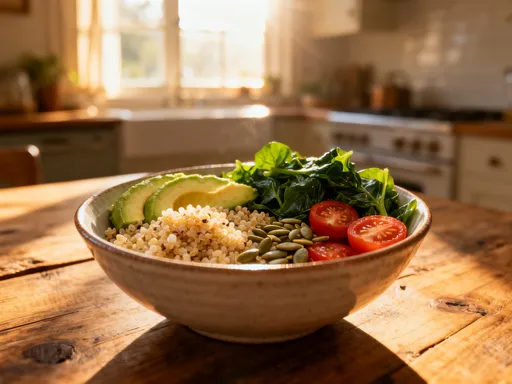
The concept of protein combining—pairing grains with legumes to form a complete amino acid profile—was once thought to be essential at every meal. While modern science shows that the body can pool amino acids over the course of a day, intentionally combining foods like rice and beans, hummus and whole wheat pita, or lentils and barley can still optimize protein quality. These combinations are not only nutritious but also deeply satisfying, offering a balance of textures and flavors that keep meals interesting. A simple bowl of black beans over brown rice with avocado and salsa isn’t just delicious—it’s a complete, energizing meal that supports long-term vitality.
Iron & B12: The Energy Game-Changers You Can’t Ignore
Iron and vitamin B12 are two nutrients that play a critical role in energy production and overall well-being, yet they are often overlooked in vegetarian diets. Iron is essential for making hemoglobin, the protein in red blood cells that carries oxygen throughout the body. Without enough iron, tissues receive less oxygen, leading to fatigue, weakness, and difficulty concentrating. There are two types of dietary iron: heme iron, found in animal products, and non-heme iron, found in plants. Heme iron is more easily absorbed by the body, which is why vegetarians need to be more strategic about their iron intake.
Plant-based sources of iron include lentils, chickpeas, spinach, tofu, fortified cereals, and pumpkin seeds. A cup of cooked lentils provides about 6.6 milligrams of iron, which is nearly 40% of the daily recommended intake for adult women. However, the absorption of non-heme iron is influenced by other components in the diet. For example, phytates in whole grains and legumes can inhibit iron absorption, while vitamin C significantly enhances it. This means pairing iron-rich foods with vitamin C-rich ones—like adding bell peppers to a lentil stew or having an orange after a spinach salad—can double or even triple iron uptake. Cooking in cast-iron pans may also increase iron content in food, especially when preparing acidic dishes like tomato sauce.
Vitamin B12 is equally important, though it presents a greater challenge for vegetarians. B12 is naturally found almost exclusively in animal products, and the body cannot produce it on its own. This vitamin is crucial for nerve function, DNA synthesis, and the production of red blood cells. A deficiency can lead to anemia, neurological changes, and chronic fatigue. While dairy products and eggs do contain B12, the amounts may not be sufficient for everyone, especially as people age and their ability to absorb the vitamin declines.
The most reliable way for vegetarians to meet their B12 needs is through fortified foods or supplements. Nutritional yeast, a popular ingredient in plant-based cooking, is often fortified with B12 and adds a cheesy, savory flavor to dishes. Fortified plant milks, breakfast cereals, and meat substitutes can also contribute to daily intake. For those who prefer a supplement, a daily dose of 25 to 100 micrograms of cyanocobalamin or methylcobalamin is generally considered safe and effective. The key is consistency—B12 is stored in the liver, so occasional intake isn’t enough. Regular, reliable sources are essential for long-term health.
Smart Swaps That Actually Satisfy
One of the reasons people struggle with vegetarian diets is that they feel deprived. This isn’t because plant foods aren’t satisfying, but because many early attempts rely on imitation products that don’t fully deliver on taste or texture. The goal shouldn’t be to mimic meat exactly, but to create meals that stand on their own as delicious, fulfilling experiences. Smart swaps aren’t about deception; they’re about discovery—finding plant-based ingredients that bring depth, richness, and satisfaction to meals without relying on processed substitutes.
Mushrooms, for example, are a powerhouse of umami, the savory flavor often associated with meat. Portobello mushrooms grilled and served on a bun can mimic the heartiness of a burger, while finely chopped mushrooms blended into sauces or grain dishes add a meaty texture and deepen flavor. Shiitake and oyster mushrooms, when sautéed, offer a chewy, smoky quality that enhances stir-fries and noodle dishes. Their natural glutamates activate the same taste receptors as aged cheeses and cured meats, making them a natural bridge between plant and animal flavors.
Jackfruit is another versatile ingredient, especially when used in its young, green form. When cooked and shredded, it has a fibrous texture remarkably similar to pulled pork, making it ideal for tacos, sandwiches, and curries. Unlike many processed meat alternatives, jackfruit is low in calories and fat, though it’s also low in protein, so it should be paired with beans or lentils to create a balanced meal. Seasoned with spices like cumin, smoked paprika, and garlic, it becomes a satisfying centerpiece that doesn’t leave you feeling heavy or sluggish.
Nuts and seeds also play a crucial role in adding richness and satiety. Walnuts, with their slightly bitter, earthy taste, work well in grain bowls, salads, and even plant-based “tuna” salads made with mashed chickpeas and celery. Almonds, cashews, and sunflower seeds can be blended into creamy sauces or used as toppings to add crunch. Homemade nut-based cheeses, made by soaking and blending cashews with lemon juice and nutritional yeast, offer a dairy-free alternative that’s both nutritious and indulgent. These whole-food swaps not only taste good but also provide healthy fats, fiber, and essential nutrients that support long-term energy and brain health.
Meal Timing and Balance: Why Structure Matters
Even with the right foods, energy levels can still falter if meals aren’t properly timed or balanced. The body thrives on consistency, and erratic eating patterns can lead to blood sugar swings, mood changes, and fatigue. A well-structured vegetarian diet includes regular meals and snacks that combine carbohydrates, protein, and healthy fats in the right proportions. This balance slows digestion, prevents insulin spikes, and provides a steady release of energy throughout the day.
Breakfast is often the most neglected meal, yet it sets the tone for the rest of the day. A bowl of plain oatmeal with sugar and fruit might seem healthy, but it lacks protein and fat, leading to a quick energy spike followed by a crash. A better option is oatmeal cooked with plant-based milk, topped with chia seeds, sliced almonds, and berries. This version includes complex carbs, fiber, protein, and healthy fats—a combination that sustains energy and keeps hunger at bay. Similarly, a smoothie made with spinach, banana, peanut butter, and soy milk offers a balanced mix of nutrients in an easy-to-digest form.
Lunch and dinner should follow the same principle. A plate that includes a source of plant protein (like lentils or tofu), a whole grain (such as quinoa or brown rice), and plenty of vegetables ensures a broad spectrum of nutrients. Adding a source of healthy fat—avocado, olive oil, or tahini—helps absorb fat-soluble vitamins and increases satiety. For example, a lentil curry served over brown rice with a side of steamed broccoli and a drizzle of coconut milk is both nourishing and satisfying. The fiber from the lentils and vegetables slows digestion, while the protein and fat provide lasting fullness.
Snacks also matter. Instead of reaching for crackers or candy, choosing combinations like apple slices with almond butter, hummus with carrot sticks, or a small handful of mixed nuts helps maintain energy between meals. These snacks stabilize blood sugar and prevent the urge to overeat at the next meal. Planning ahead by preparing snack packs or batch-cooking staples makes it easier to stick to healthy choices, even on busy days. The goal is not restriction, but rhythm—creating a daily eating pattern that supports energy, focus, and well-being.
What Nutrition Science Actually Says About Plant-Based Living
Decades of research support the health benefits of well-planned vegetarian diets. Large-scale studies, including those from the Adventist Health Studies and the EPIC-Oxford cohort, have found that vegetarians tend to have lower body mass indexes, reduced blood pressure, and improved cholesterol levels compared to meat-eaters. They also show a lower risk of developing heart disease, type 2 diabetes, and certain cancers, particularly colorectal cancer. These benefits are attributed not just to the absence of meat, but to the abundance of whole plant foods that characterize healthy vegetarian diets.
Fiber is one of the standout components. Most people don’t get enough fiber, but vegetarians typically consume far more due to their higher intake of legumes, whole grains, fruits, and vegetables. Fiber supports gut health by feeding beneficial bacteria, reducing inflammation, and improving digestion. It also helps regulate blood sugar and lower cholesterol, contributing to long-term metabolic health. The average vegetarian consumes about 25 to 30 grams of fiber per day, compared to the typical omnivore’s 15 grams—a significant difference with real health implications.
Plant-based diets are also naturally rich in antioxidants and phytonutrients, compounds that protect cells from oxidative stress and reduce chronic inflammation. Foods like berries, leafy greens, nuts, and beans contain flavonoids, carotenoids, and polyphenols that support immune function and may slow the aging process. While these benefits aren’t immediate, they accumulate over time, leading to better health outcomes in midlife and beyond. The reduced intake of saturated fat and absence of heme iron (which in excess has been linked to oxidative damage) further contribute to the protective effects of vegetarian eating patterns.
It’s important to note, however, that not all vegetarian diets are equally beneficial. A diet high in refined grains, cheese, and processed foods may technically be meat-free but lacks the protective qualities of a whole-food, plant-based approach. The science supports a diet rich in variety, color, and minimally processed ingredients. It’s not about eliminating entire food groups, but about emphasizing nutrient density and dietary diversity. When built on these principles, a vegetarian diet becomes more than a trend—it becomes a powerful tool for long-term health.
Building a Realistic, Sustainable Routine
The most successful vegetarian transitions are not made overnight. They are built gradually, with room for learning, adjustment, and self-compassion. Starting with one meatless day per week, such as Meatless Monday, allows people to experiment without feeling overwhelmed. As confidence grows, additional days can be added, until the diet feels natural and enjoyable. Tracking how the body responds—energy levels, digestion, sleep quality—provides valuable feedback and helps identify what works best for the individual.
Planning is essential, but it doesn’t have to be complicated. Simple strategies like batch-cooking grains and beans, keeping frozen vegetables on hand, and stocking up on pantry staples (lentils, canned tomatoes, spices) make healthy eating more accessible. Learning a few go-to recipes that combine protein, fiber, and flavor ensures that meals are both nutritious and satisfying. Involving the whole family in meal planning and cooking can also increase buy-in and make the transition smoother, especially in households where not everyone eats the same way.
If fatigue or other symptoms persist despite dietary efforts, it’s wise to consult a healthcare provider. Blood tests can check for deficiencies in iron, vitamin B12, vitamin D, and other key nutrients, allowing for targeted corrections. A registered dietitian can provide personalized guidance, especially for those with specific health conditions or nutritional needs. These professionals offer evidence-based advice without judgment, helping individuals navigate challenges and stay on track.
Ultimately, a vegetarian diet is not about perfection. It’s about making more mindful choices, most of the time. Occasional indulgences, dining out, or relying on convenience foods are all part of real life. The goal is progress, not purity. By focusing on whole, nutrient-rich foods, staying informed, and listening to the body, anyone can build a vegetarian lifestyle that is energizing, sustainable, and deeply nourishing.