Brewing Wealth: How I Turned Tea Into a Smarter Investment Play
Investing in tea? Sounds wild, right? Yet behind the steam of every cup lies a quiet market humming with potential. I once brushed it off as niche—until I dug deeper. What I found wasn’t a get-rich-quick scheme, but a compelling blend of culture, scarcity, and long-term value. From aged pu-erh cakes to rare white teas, certain leaves appreciate like fine wine. This isn’t about sipping profits—it’s about strategic patience, quality selection, and understanding what truly drives returns in this unique corner of alternative assets. For families managing household budgets, planning for education, or securing retirement, the idea of turning a daily ritual into a long-term financial play is not only surprising—it’s increasingly plausible.
The Hidden Market in Your Teacup
Tea has long been more than a morning ritual. Across generations and continents, it has served as a symbol of hospitality, wellness, and tradition. But beneath its cultural warmth lies a market that behaves unlike any other. Fine tea—particularly aged varieties from China, Taiwan, and Japan—has quietly evolved into a tangible asset class. Unlike stocks or bonds, it is physical, portable, and immune to digital crashes. More importantly, its value is not tied to corporate earnings or interest rates, but to deeper forces: the land it comes from, the hands that craft it, and the time it spends aging.
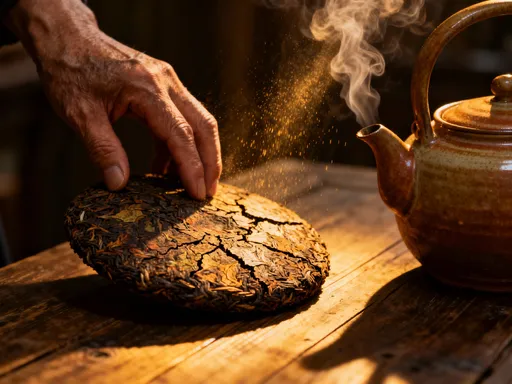
Consider this: a 357-gram cake of 1996 Yiwu pu-erh, once sold for less than $20, now trades for over $10,000 in collector markets. This isn’t an isolated case. Over the past two decades, rare teas have consistently outperformed inflation, with some vintages returning double-digit annual appreciation. The market remains relatively small and under-the-radar, which means early adopters can still find value without competing with institutional investors. For the average investor, especially women managing household finances, this opens a door to diversification that feels both accessible and meaningful.
What makes tea different from other commodities is its dual nature: it is both consumable and collectible. A bottle of wine is enjoyed and gone; a painting hangs on the wall. But a tea cake can be tasted in small portions while the rest continues to age and appreciate. This partial liquidity—being able to sample a piece of your investment without selling it—adds a unique psychological benefit. It’s not just a number on a screen; it’s something you can experience, share, and pass down. This tangible connection fosters a deeper sense of ownership and care, which in turn supports long-term holding.
Global demand is rising, driven by growing interest in wellness, mindfulness, and cultural authenticity. In China, tea gifting remains a cornerstone of business and family relationships, creating steady demand for premium grades. Meanwhile, Western consumers are increasingly drawn to the ritual and health benefits of high-quality tea. This convergence of cultural respect and health consciousness is creating a sustainable upward pressure on prices for the right kinds of tea. The result is a market that, while still niche, is maturing with real economic underpinnings.
Why Tea? The Case for Alternative Assets
Most family financial planning revolves around a few core assets: savings accounts, real estate, stocks, and retirement funds. These are essential, but they move in tandem with broader economic cycles. When markets dip, so do portfolios. That’s why financial advisors often recommend alternative assets—items like art, wine, or precious metals—that don’t follow the same patterns. Tea fits neatly into this category, offering a hedge against volatility while introducing a human element often missing in finance.
Unlike gold, which is valued purely by weight and purity, tea gains value through transformation. A freshly made pu-erh cake may be good, but it’s not valuable. It’s only after years of careful aging that it develops the complexity and depth collectors seek. This process is similar to how fine wine evolves, but with a key difference: tea requires far less space and has lower storage costs. A single climate-controlled cabinet can hold hundreds of cakes, each with the potential to multiply in value over time. For a household with limited space but a long-term outlook, this is a practical advantage.
Compared to real estate, tea is far more portable and requires no property taxes or maintenance. It can be stored at home or in professional facilities, and it doesn’t depreciate from wear and tear. While real estate may appreciate, it also comes with liabilities—tenants, repairs, market fluctuations. Tea, on the other hand, only depreciates if stored poorly. When handled correctly, it only goes up. And unlike art, which requires authentication and insurance, tea is simpler to verify through taste, aroma, and provenance—skills that can be learned over time.
Another key benefit is emotional resonance. For many women, especially those managing family well-being, financial decisions are not just about numbers—they’re about values. Investing in tea aligns with principles of sustainability, craftsmanship, and mindful consumption. It’s an asset that doesn’t exploit labor or harm the environment when sourced ethically. It supports small farmers, preserves traditional knowledge, and promotes slow living in a fast world. This alignment between financial return and personal values makes tea a uniquely satisfying investment.
What Actually Drives Tea’s Value?
Not all tea is worth investing in. Just as a mass-produced painting lacks the value of a masterwork, most commercially available tea is meant for daily consumption, not long-term holding. The real appreciation happens in a narrow segment defined by four critical factors: terroir, craftsmanship, storage, and age. Understanding these pillars is essential for making informed decisions.
Terroir—the combination of soil, climate, altitude, and ecosystem—determines the inherent quality of the leaf. Just as Burgundy grapes produce distinct wines, tea from old-growth trees in Yunnan’s misty mountains has a depth and complexity unmatched by plantation-grown varieties. These ancient trees, some over a century old, draw nutrients from deep in the soil, producing leaves with rich flavor profiles and greater aging potential. This natural scarcity makes them highly sought after. When evaluating tea for investment, the origin is the first thing to verify. Teas from protected regions like Yiwu, Banzhang, or Fengqing carry a premium for good reason.
Next is craftsmanship. The way tea is processed—whether it’s sun-dried, fermented, or roasted—shapes its future. For pu-erh, the microbial fermentation process is delicate and requires expertise. A master processor knows how to balance moisture, temperature, and time to create a cake that will age gracefully. Poorly made tea may taste good initially but will deteriorate over time. This is why buying from reputable producers matters. It’s not just about the name; it’s about consistency, transparency, and a track record of quality.
Storage is where many investors fail. Tea is alive. It continues to ferment and oxidize slowly over time, but only under the right conditions. Too much humidity leads to mold; too little slows aging. Direct sunlight degrades flavor; strong odors taint the leaves. The ideal environment is clean, dark, and well-ventilated, with stable temperature and humidity—typically between 60-70% relative humidity and 20-25°C. Basements and attics, common storage spots, often fail these criteria. Investing in proper storage—whether a dedicated cabinet or a professional warehouse—is not optional; it’s part of the investment itself.
Finally, age is the catalyst. Most teas do not improve with time. Green teas, for example, are best consumed fresh. But certain types, like raw pu-erh and high-grade white teas, undergo beneficial transformation over decades. A 10-year-old Silver Needle white tea can develop honeyed notes and a smooth mouthfeel that young versions lack. This evolution is what drives collector demand. However, aging is not a guarantee—it’s a process that must be nurtured. The combination of all four factors—terroir, craft, storage, and time—is what turns ordinary leaves into extraordinary assets.
Where to Start: Choosing the Right Tea for Investment
For beginners, the tea market can feel overwhelming. There are countless varieties, grades, and claims. The key is to focus on types with a proven track record of appreciation. Among these, aged raw pu-erh stands out as the most reliable. Its fermentation process allows for long-term value growth, and its market is well-established, with active trading and price histories. Silver Needle white tea, made from unopened buds of the Da Bai tea tree, is another strong candidate. When stored properly, it develops a mellow sweetness and can command high prices after 15-20 years.
Some oolongs, particularly those from the Wuyi Mountains or high-elevation regions of Taiwan, also show promise. Rock oolongs like Da Hong Pao have cultural prestige and limited production, which supports scarcity. However, not all oolongs age well, so selection is critical. The rule of thumb is to prioritize teas that are naturally fermented or lightly oxidized, as these are more likely to improve over time. Avoid heavily roasted or scented teas, as their flavors tend to fade or turn harsh with age.
Sourcing is just as important as selection. The market is rife with counterfeits—fake vintage labels, re-pressed cakes, and blended leaves sold as pure. To avoid these pitfalls, buy directly from trusted producers or reputable vendors with transparent sourcing. Attend tea tastings, build relationships with farmers, and ask questions. A reliable seller will provide harvest dates, region details, and processing methods. They may even offer tasting samples. Starting small—buying a few cakes to monitor over time—allows you to learn the aging process firsthand before scaling up.
Another smart strategy is to focus on limited editions or small-batch productions. These are often made with greater care and have documented provenance. While they may cost more upfront, their scarcity increases long-term value. Think of it like buying a first pressing of a classic album—rarity and authenticity matter. Over time, as demand grows and supply remains fixed, these batches become the cornerstone of a strong collection. The goal is not to own a lot, but to own the right things.
Storage Matters More Than You Think
Many new investors underestimate the importance of storage. They buy a valuable tea cake, wrap it in plastic, and tuck it into a kitchen cabinet—only to find years later that it smells musty or tastes flat. This is a preventable loss. Proper storage is not a side note; it is central to the investment’s success. Tea ages through slow, aerobic fermentation, a process that requires clean air, stable humidity, and protection from contaminants.
The two main storage styles are wet and dry aging. Wet aging, common in Hong Kong, uses higher humidity to accelerate fermentation. This can produce rich, earthy flavors in less time, but it carries risks—mold, off-flavors, and inconsistent results. Dry aging, practiced in places like Yunnan and Taiwan, uses lower humidity and longer time. It produces cleaner, more balanced profiles and is generally safer for long-term holding. For most home investors, dry aging is the better choice. It requires patience, but the results are more predictable and valuable.
A dedicated storage space should be away from strong odors—no spices, cleaning products, or perfumes nearby. Tea leaves are porous and will absorb surrounding smells. It should also be free from direct sunlight and temperature swings. A closet on an interior wall, or a climate-controlled cabinet, works well. Some investors use specialized tea storage units with humidity regulators and carbon filters. These can be a worthwhile investment, especially for larger collections.
For those who travel frequently or lack ideal home conditions, professional storage services are available. These facilities offer monitored environments with insurance and inventory tracking. While they come at a cost, they provide peace of mind and can enhance resale value. Buyers often pay a premium for tea with a documented storage history. In this market, proof of care matters as much as the tea itself. Treating storage as a serious part of the strategy separates casual drinkers from serious investors.
Timing the Market—Or Not
One of the most common mistakes in tea investing is trying to time the market. Unlike stocks, where daily fluctuations create trading opportunities, tea is not a short-term play. Appreciation unfolds slowly, often over 10 to 20 years. Expecting quick returns leads to disappointment and poor decisions. The right mindset is not “buy low, sell high,” but “buy well, hold patiently.”
Market trends do influence prices, but they should not drive entry or exit decisions. For example, rising interest from China’s growing middle class has increased demand for premium pu-erh. Global wellness trends have boosted the profile of white and oolong teas. Limited harvests due to weather or climate change can tighten supply. These factors create long-term tailwinds, but they don’t lend themselves to precise timing. A tea bought in 2010 for $50 may now be worth $300, not because of a market peak, but because it aged well and demand steadily grew.
The best approach is to view tea as a generational asset. Just as families pass down heirlooms, a well-chosen tea collection can be preserved and appreciated by future generations. This long-term perspective reduces the temptation to sell during minor price spikes. It also aligns with the values of stability and legacy that many women prioritize in financial planning. The goal is not to get rich quickly, but to build something lasting—something that reflects care, knowledge, and patience.
That said, liquidity is limited. Selling tea requires finding the right buyer, often through auctions, specialty dealers, or private networks. Prices are not standardized, and valuation depends on reputation, condition, and market sentiment. This lack of liquidity means tea should never be the core of a portfolio. It’s a satellite holding—a small, meaningful portion that adds diversity and personal satisfaction. The returns may not be flashy, but they are steady and rooted in real value.
Risks, Real Talk, and the Road Ahead
No investment is without risk, and tea is no exception. The market lacks formal regulation, which means buyers must do their own due diligence. Authenticity fraud is real—fake vintages, mislabeled regions, and counterfeit packaging exist. Without expert knowledge, it’s easy to overpay or be misled. There is also no guarantee of appreciation. Poorly stored tea, even from a famous region, can lose value. And if demand shifts, prices could stagnate.
Liquidity is another challenge. While rare teas can sell for thousands, finding a buyer takes time. Unlike stocks, there’s no exchange to list your tea. Sales often happen through word of mouth, online forums, or specialized auctions. This means pricing is subjective and negotiation is common. Emotional attachment can cloud judgment—selling a tea you’ve nurtured for years may feel like letting go of a part of yourself. That’s why it’s important to maintain some emotional distance. Treat it as an asset, not just a passion.
Yet for those who approach it with discipline, tea investing offers more than financial return. It’s a journey into culture, craftsmanship, and mindfulness. It invites you to slow down, to appreciate the process, to learn from farmers and masters. It connects you to a global community of enthusiasts who value quality over speed. And for families, it offers a way to build wealth that feels intentional and meaningful.
The road ahead is promising. As more people seek alternatives to volatile markets and disposable consumption, tea stands out as a quiet, resilient option. It won’t replace your retirement fund, but it can complement it. It won’t make you rich overnight, but it can grow steadily over time. And in a world that often feels rushed and impersonal, it offers a rare chance to invest in something that nourishes both the body and the soul. The brew is slow—but the returns, when they come, are deeply satisfying.